

Types of NDIS Continence Consultation: Adults, Children, and Telehealth
This article explains the main types of NDIS Continence Consultation available to adults and children, and how each format works. Knowing the options can help families and participants choose the right fit before they book. Each format reviews continence needs, but the setting and the participant's circumstances can make a real difference to the outcome.
Adult Continence Consultations
An adult NDIS Continence Consultation looks at bladder and bowel function, daily routines, and the products already in use. NDIS participants of any age may be eligible where bladder or bowel difficulties relate to their disability. The clinician also reviews medical documents such as OT reports and specialist letters, which help link the findings to the participant's history.
Adults often come to a consultation with a clear list of concerns, such as leakage at work, difficulty reaching a toilet, or products that no longer suit. Private clients are welcome too, so the consultation suits people with a wide range of circumstances. The clinician can discuss routines, fluid intake, and support arrangements before recommending any next steps.
What Adults Can Expect
A typical adult consultation covers the history of symptoms, the current routine, and the support network. The clinician may also talk about bladder or bowel management strategies and whether any referrals to a GP or specialist are useful. The outcome often includes a written summary and recommendations that the participant can share with a plan manager.
Children's Continence Consultations
Children's consultations focus on toilet training, bedwetting, daytime wetting, and constipation. The nurse reviews fluid intake, toileting habits, and any medical history that may affect continence. Parents and carers take an active part, because routines at home and at school usually shape progress.
Families who want a remote option can read about the online children's continence consultation service. Many parents find that a video session fits around school and work. Children who feel anxious about clinics or who have sensory needs may also find a familiar home setting more comfortable for this type of NDIS Continence Consultation.
Telehealth Continence Consultations
Telehealth allows some NDIS Continence Consultations to take place by secure video call. A first session by telehealth can help the clinician understand the routine and set priorities. The clinician may ask families to keep a simple diary or to show the home setup during the call.
Where a closer look is needed, an in-home visit may follow. Telehealth can reduce travel for families with busy schedules or those living outside the city. It also suits participants who find leaving home tiring, although the clinician will confirm whether a video session is appropriate for each case.
In-Home Consultations and Follow-Up Visits
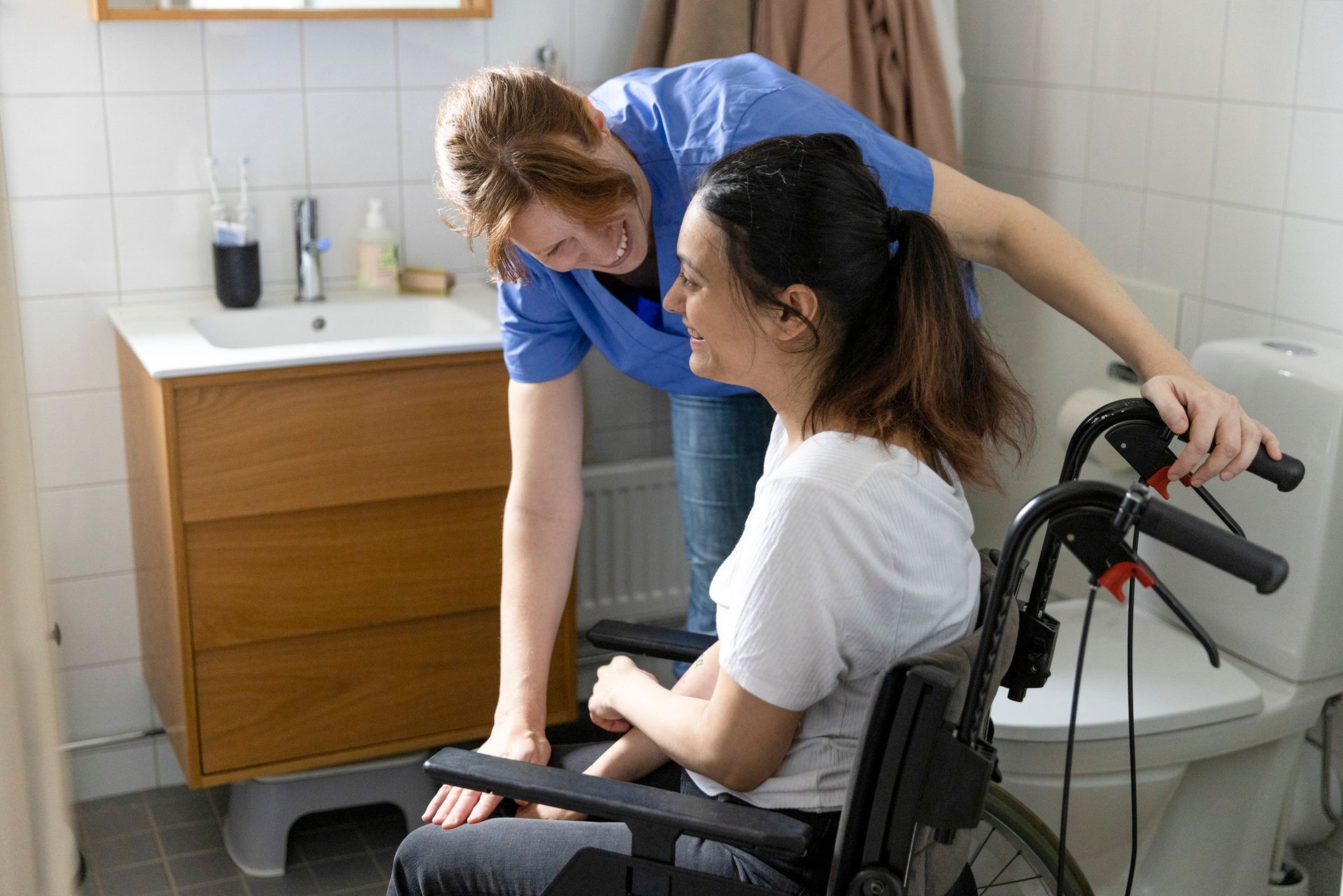
An in-home visit lets the clinician see the participant's own environment, equipment, and daily routines. This view can add detail that a video call cannot always show, such as bathroom layout, seating, and the way products are stored. In-home visits are often arranged when telehealth identifies a need for a closer assessment.
Follow-up visits can also review how a plan is working over time. Routines change as children grow and as adults adjust to new products or supports. Regular reviews help keep the consultation useful rather than a one-off event. Between sessions, families can note any changes in toileting, sleep, or skin comfort and share them at the next review. These notes give the clinician a clearer record over time, which can support later planning conversations.
How to Choose the Right Format
Choosing the right format depends on the participant's age, comfort, and needs. The following questions can help families decide. No single format is right for every participant, and many families find that the best choice changes over time. A child who starts with a video session may later need a home visit, and an adult may move from in-home visits to telehealth once a routine is settled.
It also helps to think about who will be in the room. Some participants prefer to speak with the clinician alone, while others want a support worker, parent, or partner present. Deciding this before the consultation means the session can focus on the continence needs rather than on logistics.
- Consider the participant's age and whether a parent or carer needs to attend.
- Think about whether the home or school environment matters for the review.
- Check whether the participant is comfortable with video calls.
- Ask whether follow-up visits are included in the consultation plan.
- Confirm how the report will be used with the Support Coordinator or plan manager.
Talking With the Team About Your Options
Choosing a format is easier with a clear picture of the participant's needs and goals. DREAMCARE121 serves Melbourne, VIC, with in-home options, and it offers online consultations across the state. Families who are unsure which NDIS Continence Consultation suits them can call
0449 289 500 or use the
contact page to ask.